
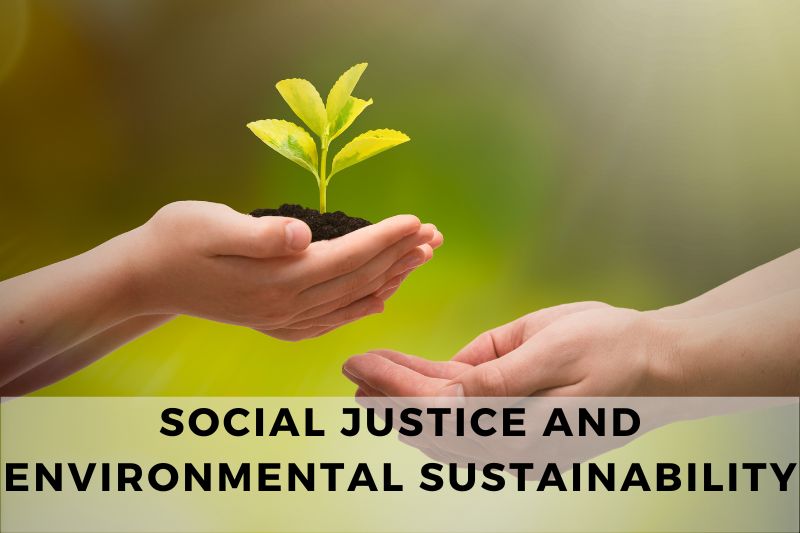
Social justice and environmental sustainability are deeply interconnected, yet their relationship is often overlooked. At its core, social justice addresses fairness, equity, and the protection of human rights, while environmental sustainability focuses on preserving natural resources for future generations.
Without addressing systemic inequalities and empowering marginalized communities, efforts to combat environmental challenges will remain incomplete. Bridging these two crucial areas ensures that solutions are both effective and inclusive, creating a world where both people and the planet thrive.
Understanding Social Justice
Social justice is the foundational principle of creating a society where fairness and equality prevail, ensuring that everyone, regardless of their identity or background, has equal access to opportunities, resources, and rights. It recognizes that certain groups, particularly marginalized communities, have historically faced systemic barriers that limit their participation in society. Social justice advocates for the dismantling of these oppressive structures and works to create a more inclusive society where all individuals can thrive without fear of discrimination or inequality. It calls for addressing issues like poverty, racism, gender inequality, and other forms of systemic injustice that harm communities.
At the heart of social justice is the belief that every person deserves the same rights, protections, and opportunities, regardless of their race, gender, class, or other social factors. It emphasizes the importance of representation and inclusion, ensuring that the voices of marginalized individuals are heard and respected in decision-making processes. Social justice movements push for equal opportunities in areas like education, healthcare, employment, and the criminal justice system, recognizing that true equality is about more than just access; it’s about ensuring that everyone has the support and resources needed to succeed.
Social justice is not solely about rectifying the injustices of the past, but also about actively working to prevent future inequities. This involves creating systems and structures that promote fairness and equity for all people, particularly those who have been historically oppressed. Social justice advocates push for policy changes, community empowerment, and social reforms that address both immediate and long-term issues, striving to build a world where discrimination and inequality are no longer tolerated. Through collective action and systemic change, social justice aims to create a society where all individuals can live with dignity, respect, and equal opportunities.
Defining Environmental Sustainability
Environmental sustainability is the practice of managing natural resources in a way that preserves the planet’s ecological balance for future generations. It involves making responsible decisions that meet our current needs without depleting the resources or harming the ecosystems that support life on Earth. This concept is not limited to the protection of forests, water, and wildlife, but also includes reducing waste, curbing pollution, and ensuring the transition to renewable energy sources. Sustainability is about balancing human development with the preservation of the natural world, ensuring that future generations can also thrive on a healthy planet.
At the heart of environmental sustainability is the recognition of the interconnectedness between human activities and ecological systems. This means that the choices we make—whether it’s in our daily consumption, industrial practices, or energy usage—directly impact the health of the environment. Environmental sustainability seeks to mitigate the harmful effects of industrialization and urbanization by promoting responsible resource management, the reduction of carbon emissions, and the adoption of sustainable farming and manufacturing methods. It highlights the need for a holistic approach that addresses both environmental and social well-being, ensuring that vulnerable communities are also included in sustainability efforts.
Promoting environmental sustainability also involves tackling global challenges like climate change, deforestation, and biodiversity loss. Efforts to protect biodiversity and ecosystems are critical to maintaining the resilience of the planet’s natural systems. This can be achieved through initiatives like protecting endangered species, conserving water resources, and reducing our reliance on fossil fuels. As industries, communities, and governments transition to greener practices, environmental sustainability not only benefits the planet but also fosters social equity by providing cleaner, healthier environments for all people.
How Social Justice and Environmental Sustainability Are Linked
#1. Disproportionate Impact on Marginalized Communities
Marginalized communities often bear the brunt of environmental degradation. Industrial pollution, deforestation, and climate-related disasters disproportionately affect low-income and minority populations. These communities frequently live in areas with poor environmental protections, limited access to clean water and air, and higher exposure to toxic substances.
This imbalance highlights the systemic inequality that ties social justice to environmental sustainability, as addressing environmental harm without considering these disparities perpetuates inequity and leaves vulnerable groups at greater risk.
#2. Environmental Justice Movement
The environmental justice movement emerged to address the intersection of social and environmental inequities. It advocates for policies that prevent marginalized groups from being unfairly exposed to environmental hazards, such as landfills or factories emitting pollutants.
This movement emphasizes community participation and accountability in decision-making processes, ensuring that affected populations have a voice in addressing environmental issues. By linking social justice and environmental sustainability, the movement pushes for inclusive solutions that benefit all, not just privileged groups.
#3. Access to Resources and Opportunities
Social justice emphasizes equitable access to critical resources such as clean water, energy, and food, which are essential for sustainable living. Many marginalized communities face systemic barriers that limit their ability to access these resources, further entrenching cycles of poverty and environmental vulnerability.
Bridging this gap requires intentional strategies to ensure resource distribution aligns with sustainability goals, allowing underserved communities to thrive while supporting broader efforts to conserve and responsibly manage natural resources.
#4. Inequality in Climate Change Effects
Climate change exacerbates existing social and economic inequalities. Vulnerable populations, including those in developing nations, often experience the most severe impacts, such as rising sea levels, extreme weather, and crop failures. These groups typically have fewer resources to adapt or recover, deepening the cycle of hardship.
Tackling climate change requires solutions that consider these disparities, ensuring that both mitigation and adaptation strategies prioritize the needs of those most affected while promoting sustainable practices globally.
#5. Systemic Discrimination and Environmental Policies
Environmental policies have historically ignored or disadvantaged marginalized communities, perpetuating systemic discrimination. Zoning laws, urban planning, and industrial siting have often placed polluting industries near minority and low-income neighborhoods.
These decisions reflect deeper societal inequities, reinforcing cycles of harm. Social justice demands that environmental policies be restructured to address past injustices, prioritize community health, and integrate equity into every level of decision-making to achieve meaningful and lasting sustainability.
#6. The Role of Advocacy and Intersectionality
Advocacy and intersectionality play crucial roles in connecting social justice and environmental sustainability. Intersectionality recognizes that individuals face overlapping systems of oppression based on race, gender, class, and other identities.
Advocacy groups working on environmental issues increasingly integrate social justice principles to address these intersections, ensuring that diverse perspectives shape sustainable solutions. By amplifying voices from marginalized communities, this approach fosters more comprehensive and inclusive environmental strategies that address the root causes of both social and ecological harm.
#7. Sustainable Development Goals (SDGs) and Equity
The United Nations’ Sustainable Development Goals (SDGs) emphasize the interdependence of social justice and environmental sustainability. Goals like eliminating poverty, ensuring clean water and sanitation, and promoting responsible consumption highlight the need for equity in global development efforts.
Without addressing social injustices, progress on environmental targets will falter. Integrating equity into the SDGs ensures that sustainability initiatives uplift vulnerable populations while tackling ecological challenges, creating a more just and balanced future for all.
#8. Community-Led Solutions
Community-led solutions are vital for integrating social justice into environmental sustainability. Local communities, especially those on the frontlines of environmental harm, possess invaluable knowledge and insights into sustainable practices. Empowering these communities to lead initiatives ensures that solutions are tailored to their specific needs and contexts.
By supporting grassroots efforts and providing resources, these approaches promote equity, strengthen resilience, and ensure that environmental strategies are both inclusive and effective in addressing local and global challenges.
Why Social Justice is Essential for Achieving Long-term Environmental Goals
#1. Addressing Inequality for Effective Solutions
Long-term environmental goals cannot be achieved without addressing social inequality. Inequities, such as limited access to resources, education, and healthcare, prevent marginalized communities from participating in and benefiting from sustainability initiatives.
Environmental solutions that do not address these systemic disparities often fail to reach those who need them most, ultimately undermining their effectiveness. Ensuring social justice is embedded in environmental strategies guarantees that everyone has the opportunity to contribute to and benefit from sustainable practices.
#2. Ensuring Equal Access to Resources
Access to essential resources like clean water, food, and energy is a fundamental human right. In many regions, marginalized groups face systemic barriers that limit their access to these resources, hindering both their quality of life and their ability to engage in sustainable practices.
Ensuring that these groups have equal access to resources is critical for achieving long-term environmental goals. This requires addressing both the distribution of resources and the policies that restrict their access based on social inequalities.
#3. Bridging Social and Environmental Movements
Bridging social justice and environmental movements is essential for creating long-term, sustainable change. Environmental issues often intersect with social issues such as poverty, racial inequality, and gender injustice.
Combining efforts from both movements ensures that solutions are holistic, addressing both ecological and human needs. By fostering collaboration between activists, organizations, and policymakers, we can create comprehensive strategies that promote fairness and environmental responsibility, ensuring that long-term sustainability goals are met in a way that benefits all.
#4. Sustainable Solutions for Vulnerable Communities
Vulnerable communities are often the most affected by environmental degradation, making it crucial to focus on creating sustainable solutions for them. These communities frequently lack the resources to adapt to environmental changes, such as rising sea levels or natural disasters.
Sustainable solutions must prioritize these populations, ensuring that they are not left behind in the transition to a more sustainable future. By providing the necessary support, these communities can become resilient and play an active role in achieving global sustainability goals.
#5. Strengthening Policy with Inclusive Approaches
Inclusive policy-making is key to achieving long-term environmental sustainability. Environmental policies that consider social justice ensure that the needs and rights of marginalized communities are addressed.
This requires developing policies that not only focus on environmental protection but also on equity, ensuring that vulnerable populations are not excluded from decision-making processes. Strong, inclusive policies create a foundation for a sustainable future where both environmental protection and social equity are prioritized equally.
#6. Long-term Impact Requires Equity
For environmental sustainability to have a lasting impact, equity must be at the forefront of every effort. Inequities in resource distribution, healthcare, and education undermine the long-term effectiveness of environmental strategies. Sustainable solutions that fail to address these disparities are likely to perpetuate the cycle of inequality.
Ensuring that every community, regardless of background, has the tools and opportunities to engage in sustainability efforts leads to more lasting and impactful change for both society and the environment.
#7. Building Resilience through Justice
Building resilience in the face of environmental challenges requires addressing the social justice issues that exacerbate vulnerability. Communities that are marginalized due to race, class, or gender are often the least prepared to handle climate-related disruptions.
Integrating social justice into resilience-building strategies ensures that all communities are equipped to face environmental challenges. This approach strengthens the collective ability to adapt and recover from crises, creating a more equitable and sustainable future for everyone.
#8. Creating Fair and Inclusive Adaptation Strategies
As environmental challenges intensify, creating fair and inclusive adaptation strategies is essential. Marginalized communities are often left out of adaptation planning, leading to solutions that do not meet their unique needs.
Inclusive adaptation strategies involve actively engaging these communities, ensuring their voices are heard and their specific challenges addressed. By focusing on equity in adaptation, we can create strategies that support the most vulnerable populations, ensuring that everyone is prepared to cope with the impacts of climate change.
Conclusion
Social justice and environmental sustainability are inseparable, and one cannot thrive without the other. By addressing inequality, empowering marginalized communities, and ensuring equitable access to resources, we can create lasting environmental solutions that benefit everyone.
Integrating social justice into sustainability efforts fosters resilience, strengthens communities, and ensures that no one is left behind in the pursuit of a more sustainable future. Only through inclusive and equitable approaches can we hope to achieve long-term environmental goals and build a fairer, healthier world for all.