
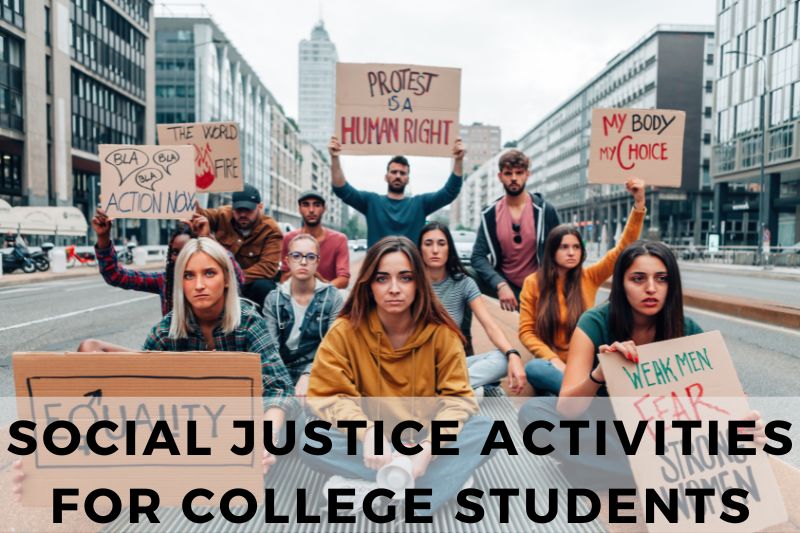
What if you could make a real difference in your community while still in college? Social justice is about addressing inequality, advocating for change, and standing up for what’s right. College students have the energy and the platform to take action on issues that matter. From volunteering with local nonprofits to organizing campus-wide events, there are countless ways to get involved.
These activities not only create positive change but also help build leadership skills and create lasting impact. It’s time to take action and use your voice to promote justice and equality on your campus and beyond.
Collaborative Social Justice Activities for College Students
#1. Organize a Community Service Day
Organize a community service day by identifying local causes that need attention. Partner with local organizations such as food banks, homeless shelters, or environmental groups to coordinate volunteer opportunities. Choose a weekend or a day that aligns with a campus-wide event to ensure maximum participation. Reach out to faculty and student organizations to encourage involvement and make it a class assignment or extracurricular requirement to build momentum. For example, you could have students volunteer to clean up a local park, prepare meals for a homeless shelter, or organize a clothing drive. The key to success is promoting the event early through flyers, social media posts, and emails. After the event, follow up with a thank-you note and a report on how the volunteer efforts impacted the community. This not only strengthens ties between the campus and the local community but also gives students a chance to apply their skills and talents to real-world challenges.
#2. Host a Social Justice Fair
A social justice fair can bring awareness to multiple causes in one event. Contact local organizations, nonprofits, and advocacy groups working on issues like racial equality, poverty, or healthcare, and invite them to set up booths or presentations on campus. Promote the fair with targeted messaging to attract students who are passionate about specific causes. Plan an itinerary with scheduled talks, performances, or panel discussions that focus on pressing social issues. Encourage students to get involved by signing petitions, donating, or learning how they can take action. Set up a resource table with literature, including actionable steps students can take to advocate for change. This kind of event creates a hub for learning and involvement while giving students direct access to people and organizations that can help them get started in social justice work.
#3. Start a Campus Dialogue on Social Justice Issues
Starting a campus dialogue creates a space for students to reflect on and discuss current social justice issues. Use regular meetings or special events to facilitate discussions on timely topics such as police reform, climate justice, or immigration. Engage students by inviting professors or activists to moderate or present, adding credibility and depth to the conversation. Ensure that the space remains respectful and inclusive, where diverse voices feel heard. For example, host a roundtable discussion on the effects of racial profiling or a seminar on how students can advocate for voting rights. Encourage participants to consider solutions rather than just discuss the problems. The more diverse and open the dialogue, the more it will inspire students to think critically and take real-world action in their communities.
#4. Partner with Local Nonprofits for Advocacy
Reaching out to local nonprofits provides a chance to collaborate on advocacy efforts. Identify nonprofit organizations that address issues such as affordable housing, women’s rights, or racial justice. Contact them to inquire about how your campus can partner with them in raising awareness, organizing fundraisers, or recruiting volunteers. Offer your skills to help them with tasks like graphic design for social media campaigns, event planning, or writing for newsletters. Consider organizing a donation drive or a public awareness campaign to support the nonprofit’s goals. For example, if you partner with a homelessness advocacy group, you could host an on-campus discussion about housing rights and raise funds for a shelter. These partnerships not only help nonprofits expand their reach but also give students practical experience in social justice work that can be applied in future careers.
#5. Organize a Social Justice Film Screening and Discussion
A film screening and discussion can educate and inspire students on social justice issues. Choose a documentary or feature film that highlights an important social justice topic, such as environmental racism or mass incarceration. Films like 13th by Ava DuVernay or The True Cost on fast fashion are examples that can provoke thought and dialogue. Secure a venue on campus and promote the event through digital channels like social media, campus email lists, and posters. After the screening, facilitate a structured discussion that explores the key messages of the film and invites students to share their personal thoughts on the subject. Ask thought-provoking questions to encourage critical thinking and action. You can even invite a guest speaker who specializes in the topic to provide additional insights. These types of events help students connect social justice issues to their own lives and create action-oriented conversations.
#6. Coordinate a Fundraising Campaign for a Social Cause
Fundraising is a direct way to support social justice causes, and students can lead the effort. Identify a cause or organization that aligns with your values, such as refugee support, healthcare access, or environmental protection, and create a fundraising campaign. You can organize events like a charity walk, bake sale, or silent auction. Utilize online platforms like GoFundMe or Kickstarter for digital donations, and reach out to local businesses for sponsorship or in-kind donations. If you’re fundraising for a national cause, consider setting a specific fundraising goal, and break it down into smaller, actionable steps. Advertise your fundraising campaign widely across campus, use social media to update progress, and thank contributors. Transparency is key, so make sure to show exactly where the funds are going and the impact they will have. This type of campaign fosters a culture of giving and encourages students to take ownership of causes that matter.
#7. Create a Social Media Campaign for Awareness
A social media campaign can be an effective tool to raise awareness and drive action. Create a clear plan for the campaign, focusing on a specific social justice issue such as racial inequality, climate change, or affordable healthcare. Use platforms like Instagram, Twitter, or Facebook to share educational posts, videos, and articles about the issue. Incorporate hashtags to encourage others to share and join the conversation, such as #SocialJusticeNow or #ActForChange. You can even create interactive content like polls, quizzes, or challenges that ask students to engage with the topic. Collaborate with student organizations and campus influencers to amplify the message. Track the engagement and use it as an opportunity to call for tangible actions, such as attending protests or signing petitions. The goal is to build an online community that is informed, motivated, and ready to act.
#8. Conduct a Social Justice Research Project
Conducting a research project on a social justice topic gives students an opportunity to dig deeper into an issue and provide evidence-based recommendations. Choose a topic that is timely and relevant, such as the effects of systemic racism on education or the economic impact of climate change. Gather qualitative and quantitative data through surveys, interviews, or archival research. Analyze the data to draw conclusions and identify trends, and present your findings in a written report or presentation. Share your results with the campus community through a research symposium, an academic journal, or a public presentation. This kind of research not only adds to the body of knowledge on social justice issues but also enhances students’ analytical and research skills, equipping them for future work in social justice fields.
#9. Volunteer for Voter Registration Drives
Engage in efforts to ensure all students have the opportunity to vote by organizing voter registration drives on campus. Collaborate with local political organizations to set up booths where students can register to vote, learn about the voting process, and access resources like absentee ballots or early voting. Plan events in high-traffic areas like dining halls, libraries, or campus events to catch the attention of busy students. Educate students on the importance of voting and how it impacts social justice issues, such as education funding or criminal justice reform. Offer resources on how to research candidates and issues that align with students’ values. Make the process as easy as possible by providing registration forms and necessary information to get students involved in the democratic process.
#10. Organize a Social Justice Art Exhibition
An art exhibition centered on social justice can provide a powerful visual outlet for students to express their views on pressing social issues. Encourage students to submit artwork, including paintings, sculptures, photography, and digital art, that addresses topics such as poverty, racial equality, or climate change. Coordinate with campus galleries or open spaces to display the artwork. Consider incorporating interactive components, such as live art creation, where attendees can contribute to a collaborative piece during the event. Use the exhibition as a way to spark conversations and raise awareness about the causes reflected in the art. Invite local activists, artists, and professors to speak about the impact of art on social change. This event will give students a platform to showcase their creativity while promoting important social justice themes.
#11. Host Workshops on Social Justice Topics
Workshops offer an opportunity for students to learn practical skills for engaging in social justice work. Organize workshops that focus on specific topics, such as how to organize a protest, how to start a petition, or how to be an effective ally to marginalized groups. Partner with local activists, educators, or organizations to lead these sessions, ensuring they are informative and hands-on. Promote the workshops to students interested in activism and social change, and encourage them to apply the skills learned to create meaningful change on campus. For example, a workshop on anti-racism could teach students to recognize implicit bias and provide tools for combating racism in their daily lives. Workshops help equip students with the knowledge they need to take action effectively.
#12. Collaborate on a Diversity and Inclusion Initiative
Collaborating on a diversity and inclusion initiative can help create a more equitable campus environment. Work with student organizations, campus leaders, and faculty to develop programs that promote understanding and inclusion for all students, particularly marginalized groups. Consider hosting events such as panel discussions on race and gender equity or creating awareness campaigns about the importance of diverse representation. Start initiatives like mentorship programs for underrepresented students or diversity training workshops for faculty and staff. This collaboration will allow students to take ownership of shaping an inclusive campus culture and help foster an environment where everyone feels respected and valued.
#13. Establish a Campus Social Justice Club
Starting a social justice club can provide a consistent space for students to plan and execute justice-oriented activities throughout the year. The club could focus on any number of causes—such as advocating for mental health resources, fighting for racial justice, or promoting environmental sustainability—and will allow students to share their passion for activism with others. The club could host regular meetings to discuss issues, plan events, and organize campaigns. Consider hosting “action weeks,” where every day of the week focuses on a different social justice issue. A campus social justice club fosters leadership, community, and long-term impact, as students work together to create change on and off-campus.
#14. Conduct a Campus Climate Survey on Social Justice
A campus climate survey is an excellent way to assess how students feel about social justice issues on campus. This survey can collect data on topics such as campus diversity, inclusivity, and how students perceive issues like racial discrimination or gender equality. Collaborate with student government, faculty, or other campus groups to design and distribute the survey. Ensure that the survey is anonymous to encourage honest and open responses. After gathering the data, analyze the results and share your findings with campus leadership. Use the data to advocate for changes that will improve campus culture, such as enhanced mental health resources or more inclusive policies. Conducting a campus climate survey helps make the voices of students heard and provides a factual basis for pushing forward social justice initiatives.
#15. Organize a March or Rally for Change
A march or rally can be an impactful way to demonstrate solidarity and raise awareness for social justice causes. Choose a specific issue, such as racial equality, climate change, or LGBTQ+ rights, and plan a march or rally that encourages students and community members to come together and take action. Work with local activists and campus organizations to ensure the event is well-organized, and secure necessary permits. Promote the event through social media, flyers, and word of mouth to gain momentum. During the march or rally, consider having speakers, performers, or poets share their messages of justice and equality. This type of event physically demonstrates the power of collective action and brings visibility to the cause you are advocating for.
#16. Establish Peer Mentorship Programs
Peer mentorship programs can help support underrepresented or marginalized students on campus. Create a program where upperclassmen mentor incoming students, offering guidance on academic, social, and emotional challenges. This initiative can particularly benefit first-generation college students, students of color, or students from low-income backgrounds. Mentors can offer advice on navigating campus culture, provide emotional support, and connect mentees with resources. Promoting inclusivity and support through peer mentorship ensures that every student has access to the tools they need to succeed. The program also encourages leadership among upperclassmen, creating a culture of care and mutual support within the student body.
#17. Sponsor a Social Justice Speaker Series
Hosting a social justice speaker series can bring influential activists, scholars, and thought leaders to campus to inspire students and share their expertise. Organize a series of events where each speaker discusses a different aspect of social justice, such as education reform, racial justice, or immigrant rights. Reach out to activists, professors, or authors whose work aligns with the topics you’re focusing on. Advertise the speaker series through campus emails, social media, and posters to ensure good attendance. After each talk, host a Q&A session to allow students to interact with the speaker and ask relevant questions. A speaker series provides students with diverse perspectives on social justice issues and encourages them to think critically about how they can contribute to positive change.
Closing Thoughts
You can make a real difference in your community while in college by actively engaging in social justice activities. Whether it’s through volunteering, organizing events, or raising awareness, your involvement has the power to create lasting change. From hosting discussions and film screenings to partnering with nonprofits or organizing marches, every action you take contributes to a more just and equitable society.
These activities provide valuable opportunities to learn, grow, and develop leadership skills. As you pursue these initiatives, you’ll not only inspire others but also contribute to building a more inclusive and compassionate world.