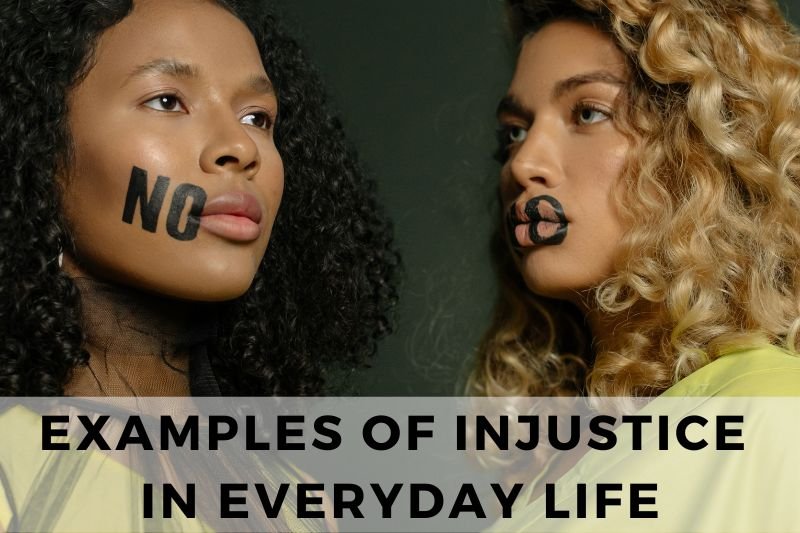
Have you ever experienced or witnessed an injustice in your everyday life? Injustice takes many forms, often hidden in plain sight. Whether it’s discrimination, inequality, or unfair treatment, these issues affect individuals and communities across the globe. Unfortunately, many people endure these injustices without knowing how to address them.
Understanding these examples is the first step in creating a fairer world. In this article, we’ll explore 25 common forms of injustice and offer practical ways to combat them. By recognizing these challenges, we can all work towards a more just society.
Examples of Injustice in Everyday Life & How To Combat Them
#1. Racial Profiling by Law Enforcement
Racial profiling occurs when law enforcement officers target individuals based on their race, ethnicity, or nationality, rather than on actual behavior or evidence of a crime. This leads to wrongful arrests, harassment, and heightened tension between marginalized communities and the police. To combat racial profiling, it’s critical to implement stronger laws and policies, including the use of body cameras and mandatory anti-bias training for police officers. Community outreach and involvement in police reform efforts can also help improve relationships between police and marginalized groups, fostering trust and accountability within law enforcement agencies.
#2. Gender Pay Gap
The gender pay gap is the ongoing disparity in earnings between men and women who do the same work. Despite progress in education and career opportunities for women, systemic biases, stereotypes, and discrimination continue to affect pay. To address this, organizations must conduct regular pay audits to identify and address disparities in compensation. Implementing transparent salary practices, creating clear pathways for promotion, and supporting women in leadership roles can also help close the gender pay gap. Additionally, supporting policies that mandate equal pay and offering workplace flexibility are steps toward reducing gender-based wage disparities.
#3. Unfair Treatment in the Workplace
Unfair treatment in the workplace can take many forms, including bias in hiring, promotions, pay, or day-to-day interactions with colleagues. Employees from marginalized backgrounds, including women, people of color, and LGBTQ+ individuals, often face challenges in obtaining equal opportunities or fair treatment. Combating this injustice involves creating clear anti-discrimination policies, offering training to prevent unconscious bias, and promoting an inclusive work environment. Providing confidential reporting systems for complaints of discrimination and establishing diverse leadership teams can also help improve workplace equity and ensure that everyone is treated fairly and respectfully.
#4. Access to Quality Healthcare
In many countries, especially in underserved communities, access to quality healthcare is significantly influenced by factors such as socioeconomic status, geographic location, and race. This results in poorer health outcomes and a higher prevalence of preventable diseases among marginalized groups. Combating healthcare inequality requires advocating for universal access to healthcare, expanding insurance coverage, and increasing funding for clinics in rural and low-income areas. Additionally, healthcare providers must be trained to offer culturally competent care and work to reduce bias in medical treatment, ensuring equal care for all patients regardless of their background.
#5. Unequal Educational Opportunities
Unequal educational opportunities are prevalent in many societies, especially in low-income communities where schools may lack resources, skilled teachers, and access to extracurricular programs. These disparities result in lower academic achievement and fewer opportunities for students in disadvantaged areas. To address this, we need to push for more equitable funding across schools and advocate for policies that ensure equal access to high-quality education. Community support programs, including after-school tutoring and mentorship, can also help bridge the gap. Investing in early childhood education and addressing disparities in school facilities can help ensure that every child has the opportunity to succeed academically.
#6. Discrimination Against People with Disabilities
People with disabilities often face widespread discrimination in various aspects of life, including education, employment, and public spaces. They may encounter barriers to accessibility, limited job opportunities, and social stigmas that hinder their full participation in society. Combating this injustice requires enforcing and expanding disability rights legislation, such as the Americans with Disabilities Act, which ensures equal access and accommodations in public and private spaces. Public and private institutions should create inclusive work environments and provide reasonable accommodations for employees with disabilities. Awareness campaigns that challenge stereotypes and raise visibility for disabled individuals can also reduce discrimination and promote inclusion.
#7. Immigration Bias
Immigrants often experience bias and prejudice, both legally and socially, leading to unequal treatment in employment, housing, healthcare, and other public services. Negative stereotypes about immigrants can fuel discriminatory policies and practices, further marginalizing these communities. To address this, advocates must push for comprehensive immigration reform that provides pathways to citizenship, protects immigrant workers, and ensures equal access to public services. Supporting legal assistance for immigrants and promoting policies that encourage family reunification and inclusion can help combat immigration bias. Public education campaigns can also raise awareness and challenge harmful stereotypes, fostering a more inclusive society for immigrants.
#8. Social Stigmas
Social stigmas are negative stereotypes or societal perceptions that lead to discrimination against individuals or groups based on characteristics such as mental illness, sexual orientation, or social status. These stigmas often result in isolation, marginalization, and unequal opportunities. To combat social stigmas, it’s crucial to promote education and awareness that challenge harmful stereotypes. Media representation and personal storytelling can help normalize marginalized experiences. Furthermore, supporting policies that protect individuals from discrimination and offering resources like support groups or counseling services can help individuals combat the effects of social stigmas.
#9. Unequal Voting Rights
Unequal voting rights occur when specific groups of people are unfairly prevented from voting due to restrictive laws, voter suppression tactics, or disenfranchisement. This disproportionately affects minorities, the elderly, and low-income populations. Combating unequal voting rights requires advocating for policies that remove barriers to voting, such as voter ID laws and gerrymandering. Supporting efforts to expand early voting, mail-in ballots, and automatic voter registration can also ensure that all citizens have access to the democratic process. Protecting voting rights and ensuring equal representation are essential to a fair society.
#10. Food Insecurity
Food insecurity happens when individuals or families lack consistent access to nutritious food. This is often tied to socioeconomic factors, such as low wages or lack of affordable housing, and affects millions of people globally. Combating food insecurity involves supporting initiatives like food banks, community gardens, and government programs such as Supplemental Nutrition Assistance Program (SNAP). Policymakers must also address the root causes, such as income inequality and access to affordable housing, while encouraging local food systems and supporting sustainable agriculture to ensure long-term access to food.
#11. Prison System Inequality
The prison system disproportionately affects marginalized groups, especially people of color and those from low-income backgrounds. Inequalities in sentencing, overcrowding, and racial bias contribute to mass incarceration. Reforming the prison system requires policy changes that focus on rehabilitation rather than punishment, reducing mandatory minimum sentences, and addressing systemic racism. Additionally, advocating for the elimination of cash bail and supporting programs that reduce recidivism, such as job training and mental health services, can help reduce inequality in the criminal justice system.
#12. Homelessness
Homelessness is a persistent issue where individuals or families lack stable housing due to factors like job loss, high rent, mental health issues, and addiction. Homelessness disproportionately affects vulnerable populations, such as veterans and people of color. To combat this, society needs to increase affordable housing options, improve access to mental health and addiction services, and implement job training programs. Providing emergency shelters and long-term housing solutions can also help reduce homelessness. Additionally, advocating for stronger social safety nets, such as universal healthcare and social services, can help prevent homelessness before it starts.
#13. Economic Inequality
Economic inequality refers to the gap between the wealthy and the poor, where the rich accumulate more wealth, while many struggle to make ends meet. This imbalance creates limited opportunities for lower-income individuals, restricting access to quality education, healthcare, and housing. Combatting economic inequality requires progressive taxation, policies that increase wages, and programs aimed at wealth redistribution. Increasing access to education, offering job training programs, and providing affordable housing are also essential steps toward reducing economic disparity. Supporting unions and ensuring that workers receive fair compensation for their labor can help address income inequality.
#14. Cultural Appropriation
Cultural appropriation is when elements of one culture, often a marginalized or oppressed group, are taken by members of a more dominant culture without understanding or respecting their significance. This can lead to the commodification and exploitation of cultural practices. To combat cultural appropriation, individuals can educate themselves on the cultural significance of traditions, clothing, music, and art before participating. Supporting businesses and creators from marginalized communities and amplifying their voices can help ensure that cultural contributions are appreciated without exploitation. Respecting cultural boundaries and encouraging diversity can foster mutual understanding.
#15. Environmental Racism
Environmental racism refers to the disproportionate impact of environmental hazards on communities of color and low-income areas. These communities often face higher exposure to pollutants, toxic waste, and other environmental dangers, leading to poor health outcomes. Combatting environmental racism involves pushing for stricter environmental regulations, improving access to clean water and air, and ensuring that communities of color are included in environmental decision-making. Advocating for green spaces in underserved areas and supporting policies that address environmental justice can help reduce the inequities faced by these communities.
#16. Healthcare Disparities
Healthcare disparities are differences in health outcomes and access to care based on factors like race, income, and geographic location. These disparities result in poorer health outcomes and lower life expectancy for marginalized populations. To address healthcare disparities, it is essential to expand access to affordable healthcare for all, particularly in underserved communities. Providing healthcare professionals with cultural competency training and ensuring that healthcare systems are inclusive can also reduce discrimination in care. Public health campaigns that address the specific needs of diverse populations and targeted initiatives to reduce health inequalities are critical steps forward.
#17. Police Brutality
Police brutality involves the use of excessive force by law enforcement officers, often against marginalized groups. This leads to physical harm, mistrust, and fear within affected communities. Combating police brutality requires comprehensive reform, including the implementation of de-escalation techniques, body cameras, and independent oversight committees. Holding officers accountable through transparent investigations and supporting policies that restrict the use of excessive force can reduce incidents of police brutality. Additionally, community-based policing strategies, where officers work closely with the community, can build trust and reduce the need for force.
#18. Mental Health Stigma
Mental health stigma refers to the negative attitudes and beliefs that society holds toward individuals experiencing mental health issues. This stigma often leads to social isolation, discrimination, and a reluctance to seek help. To combat mental health stigma, public education campaigns can raise awareness and challenge misconceptions about mental illness. Encouraging open discussions, offering mental health resources, and promoting inclusive mental health policies in the workplace and schools can help individuals access the care they need. Legal protections against discrimination based on mental health status also play a crucial role in addressing this issue.
#19. Age Discrimination
Age discrimination occurs when individuals are treated unfairly due to their age, whether they are young or older. Older workers may face challenges in hiring and career advancement, while younger workers may be underestimated or dismissed as inexperienced. Combatting age discrimination requires enforcing laws that protect against age-based discrimination in the workplace and other areas of life. Promoting intergenerational collaboration, mentoring programs, and creating age-inclusive policies can foster environments where all individuals, regardless of age, can contribute and thrive. Public education efforts can also challenge stereotypes about age and capability.
#20. Discrimination in Housing
Discrimination in housing happens when people are unfairly denied access to housing based on their race, gender, sexual orientation, or other protected characteristics. This can include practices like redlining, rental discrimination, and unequal treatment in mortgage lending. To combat housing discrimination, policies that promote fair housing practices must be enforced and expanded. Providing affordable housing options and increasing access to homeownership for marginalized groups can help address inequality. Promoting diversity in neighborhoods and ensuring that all individuals have equal access to housing resources can reduce discrimination in this area.
#21. Bullying and Harassment
Bullying and harassment, whether in schools, workplaces, or online, involve the intentional mistreatment of others, often based on differences such as appearance, sexual orientation, or beliefs. This leads to physical and emotional harm, leaving victims feeling powerless and isolated. To combat bullying and harassment, it’s important to implement clear anti-bullying policies and create supportive environments in schools and workplaces. Providing resources such as counseling and conflict resolution training can also help prevent and address bullying. Encouraging empathy, respect, and inclusion through education programs can change attitudes and reduce harassment.
#22. Lack of Equal Representation
Lack of equal representation occurs when certain groups, particularly women and minorities, are underrepresented in decision-making positions, media, and politics. This results in policies and practices that do not fully reflect the diverse needs of society. To combat this, it’s necessary to advocate for affirmative action policies, diversity initiatives, and leadership training programs. Encouraging underrepresented groups to run for office, join corporate boards, and participate in media can help increase visibility and ensure that a wider range of perspectives is considered in public discourse and decision-making.
#23. Unfair Labor Practices
Unfair labor practices involve the exploitation of workers through underpayment, unsafe working conditions, or lack of benefits. Many workers, particularly in low-wage sectors, face long hours, lack of job security, and unfair treatment. To combat unfair labor practices, it’s crucial to support labor unions and push for stronger labor protections. Implementing living wages, providing benefits such as paid sick leave, and ensuring that workplaces adhere to health and safety standards can protect workers’ rights. Advocating for policies that reduce income inequality and promote fair working conditions will help improve the situation for many workers.
#24. Unjust Legal System
An unjust legal system refers to a legal framework that disproportionately impacts certain groups, especially marginalized communities. This can manifest in wrongful convictions, unequal sentencing, and lack of access to legal representation. To address this, it is important to reform the criminal justice system by reducing mandatory minimum sentences, providing better public defense services, and eliminating discriminatory practices like racial profiling. Ensuring that laws are applied fairly and consistently, regardless of a person’s background, is essential for creating a just legal system that protects everyone’s rights.
#25. Censorship and Freedom of Speech Violations
Censorship and violations of freedom of speech occur when individuals or groups are restricted from expressing their views, whether through government policies, corporate practices, or social pressures. This undermines democracy, silences dissent, and prevents important conversations from happening. Combatting censorship involves advocating for stronger protections for free speech, challenging laws or practices that restrict expression, and supporting independent media. Educating people on their rights to free expression and encouraging public discussions on controversial topics can also help protect the freedom to speak openly and freely.
Closing Thoughts
Injustice is a pervasive issue that touches every corner of society, from the workplace to healthcare, education, and beyond. While the examples discussed are not exhaustive, they highlight the urgent need for change. By recognizing these injustices and understanding how they affect individuals and communities, we can begin to take action.
Whether it’s advocating for policy reform, supporting marginalized groups, or challenging harmful stereotypes, every effort counts. It’s only through collective action that we can create a more just and equitable world for all. The fight for justice is ongoing, but it starts with awareness and action.