
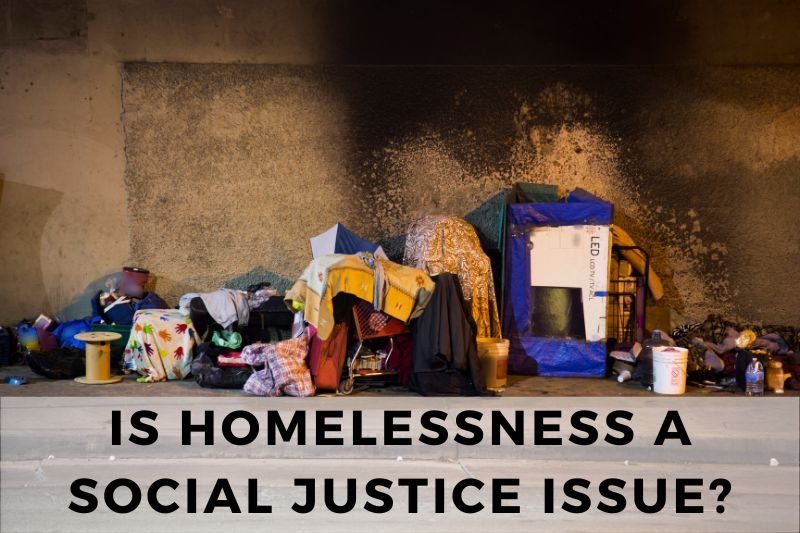
Homelessness is a serious crisis. It affects millions worldwide. It is not just a lack of shelter. It is a deep social justice issue.
Social justice means fairness in society. It ensures equal rights, opportunities, and resources for all. Homelessness violates these principles. It strips people of dignity, security, and access to basic needs.
Many factors drive homelessness—poverty, discrimination, and policy failures. Yet, society often ignores or criminalizes those affected. Addressing homelessness is not just charity; it is justice. Ignoring it means allowing inequality to grow. The question remains: Is homelessness a social justice issue that society chooses to overlook?
Reasons Why Homelessness Is a Social Justice Issue
Homelessness is not just about losing a home. It reflects deeper inequalities in society. It highlights systemic failures in economic policies, housing access, and legal protections. To treat it as a personal failure is to ignore the root causes.
The following reasons explain why homelessness is a social justice issue that demands urgent attention.
#1. Basic Human Ri ghts
Housing is a fundamental human right. The United Nations recognizes adequate shelter as part of the right to an adequate standard of living. Yet, millions are forced to live without it. A society that respects human rights cannot ignore the suffering of those without a home.
Without stable housing, people struggle to access healthcare, education, and employment. Homeless individuals are often denied basic services due to lack of an address or identification. Many social programs require proof of residence, creating barriers to receiving food assistance, medical care, and job opportunities. This deepens their exclusion and keeps them trapped in a cycle of poverty. Protecting human rights means ensuring everyone has a safe place to live, not just those who can afford it.
Governments that fail to provide adequate housing solutions violate their responsibility to uphold human rights. Countries with strong social safety nets have lower rates of homelessness. Meanwhile, nations with weak public assistance programs see more people falling through the cracks. Housing should not be a privilege—it is a necessity for a dignified life.
#2. Economic Inequality
Homelessness is a direct result of economic inequality. The cost of living has risen, but wages have not kept pace. Many full-time workers still cannot afford rent, especially in urban areas where housing prices are skyrocketing. This forces families to choose between paying rent, buying food, or covering medical expenses. When wages are too low and housing is too expensive, homelessness becomes inevitable for many.
Economic policies often favor the wealthy while neglecting those struggling to survive. Tax breaks for corporations and landlords inflate property values, making housing even less accessible for low-income individuals. Meanwhile, cuts to social programs leave vulnerable populations without support. Addressing homelessness requires narrowing the wealth gap and ensuring fair wages, affordable housing, and social protections for all.
#3. Discrimination and Marginalization
Certain groups are at a higher risk of homelessness due to systemic discrimination. Racial minorities, LGBTQ+ individuals, people with disabilities, and veterans face significant barriers in employment, housing, and social services. Many landlords refuse to rent to people based on race, gender identity, or criminal history, pushing them into homelessness.
Systemic racism plays a significant role in housing instability. In the U.S., Black Americans make up 13% of the population but account for nearly 40% of the homeless population. Indigenous communities also experience disproportionately high rates of homelessness due to historical displacement, economic exclusion, and underfunded tribal housing programs. LGBTQ+ youth, often rejected by their families, are at an alarmingly high risk of living on the streets.
Without addressing discrimination in housing policies and employment practices, homelessness will continue to affect marginalized groups at higher rates. Fair housing laws must be enforced, and stronger anti-discrimination measures are needed to ensure equal access to stable living conditions.
#4. Health and Safety Concerns
Homelessness is a major public health crisis. Living on the streets exposes people to extreme weather, disease, and malnutrition. Many homeless individuals suffer from chronic illnesses like diabetes, heart disease, and respiratory conditions. However, without stable housing, they struggle to access medical care and basic hygiene.
Mental health issues are also common among homeless populations, yet treatment is often unavailable or unaffordable. Many individuals suffer from PTSD, depression, or schizophrenia, which are exacerbated by the stress of living in unsafe conditions. Rather than investing in mental health services, many governments cut funding, leaving those in need without support.
Women, children, and the elderly face even greater risks. Shelters can be dangerous, and many homeless individuals experience physical or sexual violence. Without a safe place to sleep, they are vulnerable to exploitation and abuse. Addressing homelessness is a matter of public health and safety—no one should be forced to live in conditions that threaten their well-being.
#5. Criminalization of Poverty
Instead of addressing homelessness as a social issue, many governments criminalize it. Cities pass laws that ban sleeping in public spaces, panhandling, or living in vehicles. These laws do not solve homelessness; they only push people further into poverty and despair.
Being fined or arrested for sleeping outside does nothing to help those in need. In fact, jailing homeless individuals for minor offenses often costs taxpayers more than providing housing and support services. Once arrested, they face additional barriers to employment and housing, making it even harder to escape homelessness.
Criminalizing poverty does not reduce homelessness—it increases suffering and reinforces systemic injustice. A more effective approach is to invest in permanent housing solutions, job training programs, and social services rather than punishment.
#6. Social and Political Neglect
Homelessness persists because it is not a political priority. Many policymakers focus on short-term solutions like emergency shelters rather than long-term strategies to prevent homelessness. Instead of addressing the root causes—such as unaffordable housing, low wages, and lack of mental health services—governments often allocate more funding to law enforcement efforts that target homeless individuals.
Public attitudes also contribute to neglect. Many people see homelessness as a personal failure rather than a systemic issue. This perception allows politicians to ignore the problem without facing public backlash. Meanwhile, homeless individuals struggle to make their voices heard. Without an address, many cannot register to vote, leaving them without representation in political decisions that affect them.
A fair society ensures that all citizens, housed or unhoused, have a say in policies that impact their lives. Addressing homelessness requires a shift in priorities—from short-term relief to long-term, systemic change. Governments must commit to real solutions that tackle the root causes of homelessness and ensure equal opportunities for all.
#7. Lack of Affordable Housing
Housing costs have skyrocketed in recent decades, leaving millions unable to afford a stable place to live. Rent prices continue to rise while wages stagnate, forcing families to spend a significant portion of their income on housing. When people are one paycheck away from eviction, homelessness becomes an unavoidable consequence of an unfair housing system.
Many governments fail to invest in affordable housing projects, prioritizing luxury developments instead. Gentrification pushes low-income residents out of neighborhoods they’ve lived in for generations. Public housing is underfunded, and rental assistance programs have long waiting lists. Without a commitment to making housing accessible, homelessness will continue to grow.
#8. Intergenerational Poverty
Homelessness is often not an isolated event. Many individuals who experience it come from families that have struggled with poverty for generations. Children raised in unstable housing conditions are more likely to experience homelessness as adults. A lack of access to quality education, healthcare, and job opportunities keeps families trapped in cycles of poverty.
Intergenerational poverty is reinforced by systemic barriers. Low-income families often live in neighborhoods with underfunded schools, fewer job opportunities, and limited resources. Without intervention, poverty is passed down like an inheritance. Breaking this cycle requires investment in education, social programs, and affordable housing to give future generations a chance at stability.
#9. Increased Vulnerability to Violence
Homeless individuals are at a high risk of violence and exploitation. Living on the streets exposes them to physical attacks, robbery, and sexual assault. Women, children, and LGBTQ+ individuals face even greater dangers, as they are often targeted by predators. Many avoid shelters due to unsafe conditions, leaving them with no safe place to turn.
Law enforcement often fails to protect homeless populations. Crimes against them go unreported or ignored, and in some cases, they are treated as criminals rather than victims. Addressing homelessness means not only providing shelter but also ensuring their safety and protection from harm.
#10. Stigmatization and Social Exclusion
Society often views homelessness as a personal failure rather than a systemic issue. Negative stereotypes portray homeless individuals as lazy, addicted, or unwilling to work. This stigma leads to discrimination, making it even harder for them to reintegrate into society. Many employers refuse to hire people without a permanent address, and landlords reject applications from those with a history of homelessness.
Social exclusion deepens the problem. Without community support, homeless individuals struggle to rebuild their lives. Public attitudes need to shift from judgment to understanding. Recognizing the structural causes of homelessness is the first step toward real solutions.
#11. Economic Costs of Homelessness
Homelessness is not just a humanitarian issue—it also places a financial burden on society. Emergency shelters, hospital visits, and law enforcement interventions cost taxpayers far more than long-term housing solutions. Studies show that providing stable housing is more cost-effective than continuously funding emergency responses.
Chronic homelessness leads to repeated hospitalizations, increased use of emergency services, and higher rates of incarceration. Instead of investing in temporary fixes, governments could save money by implementing permanent housing programs. The economic argument for addressing homelessness is clear: prevention is cheaper than crisis management.
#12. The Right to Dignity
Every human being deserves dignity and respect. Homelessness strips people of both. The daily struggle to find food, shelter, and safety erodes self-worth and hope. Being treated as invisible or a burden only deepens the trauma.
A just society values all its members, not just those with financial stability. Ensuring access to housing, healthcare, and employment is not just about meeting basic needs—it’s about restoring dignity. True social justice means recognizing the humanity of every person and taking action to ensure they are not left behind.
Conclusion
Homelessness is a social justice issue that society cannot afford to ignore. It stems from systemic failures in housing, economics, healthcare, and policy. The lack of affordable housing, discrimination, and criminalization of poverty keep people trapped in a cycle of instability. Addressing homelessness requires more than temporary fixes—it demands structural change.
Governments, communities, and individuals must work together to provide real solutions, including housing programs, economic support, and legal protections. Every person deserves dignity, security, and a place to call home. Until society recognizes this as a moral and social obligation, homelessness will remain an unresolved crisis.